Over the past decade, Slovenia has experienced sharp political swings, with successive governments taking very different approaches to the role of the state, democratic institutions and civil society. Between 2020 and 2022, under Prime Minister Janez Janša, the country saw growing pressure on independent institutions, public media and civil society organisations – developments widely described as a form of democratic backsliding within the EU. The change of government in 2022 brought a period of political reversal. But following a closely contested election in March 2026, Janša returned as prime minister, taking office in June.
Slovenia offers an interesting case of both democratic vulnerability and resilience. Unlike in some neighbouring countries, democratic institutions remained largely intact, and independent media, the judiciary and widespread civic mobilisation provided important counterweights to political pressure. Yet the political struggle over the boundaries of civil society and institutional independence has continued.
Culture has been one of the key arenas in this struggle. During Janša’s previous government, 18 civil society organisations were asked to leave Metelkova 6 in Ljubljana, a building that has long provided a shared base for independent cultural organisations and initiatives. Attempts to reshape public cultural institutions and redirect support for the independent sector also became sources of conflict. Following the change of government in 2022, several of these developments were reversed. Now, with Janša back in office, the independent sector is once again facing major challenges: in September 2026, parliament effectively dismantled the national NGO Development Fund, while parts of the Metelkova 6 building have been designated for the re-established Museum of Slovenian Independence.
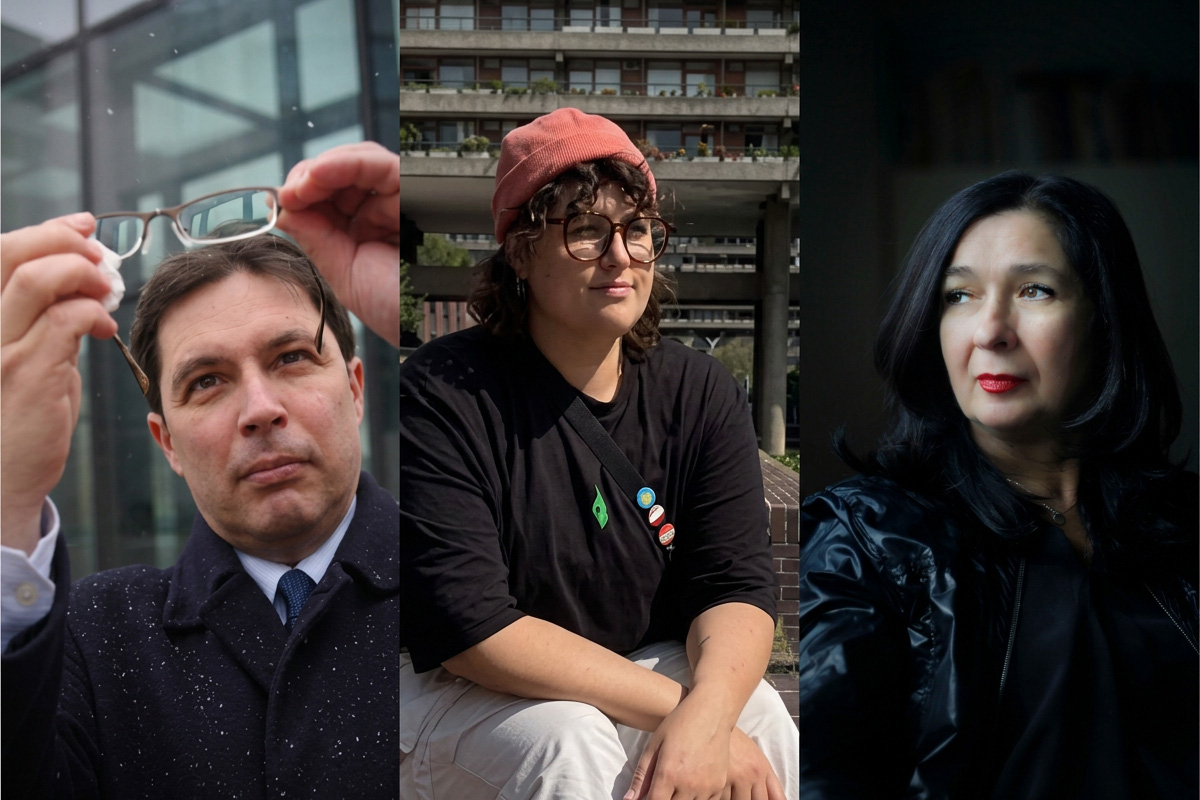
The seminar brings together three perspectives on these questions. Political theorist Matjaž Nahtigal examines the political transformations of the past decade and their implications for governance, democracy and the public sphere. Curator and writer Zdenka Badovinac explores how changing political agendas shape cultural policy and the conditions in which art institutions operate. Artist and curator Tia Čiček focuses on the strategies of resistance, solidarity and collective organising developed by artists and the wider art sector in response to political change.
Respondents:
Sara Edström, Konstnärernas Riksorganisation
Emmeli Persson, Bildkonst Sverige
Contributors
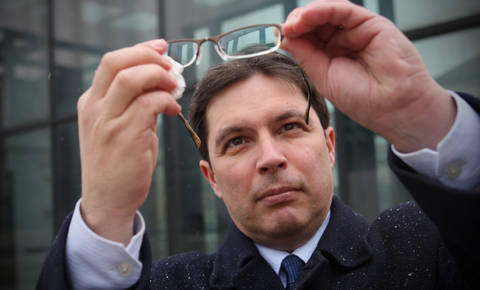
Matjaž Nahtigal
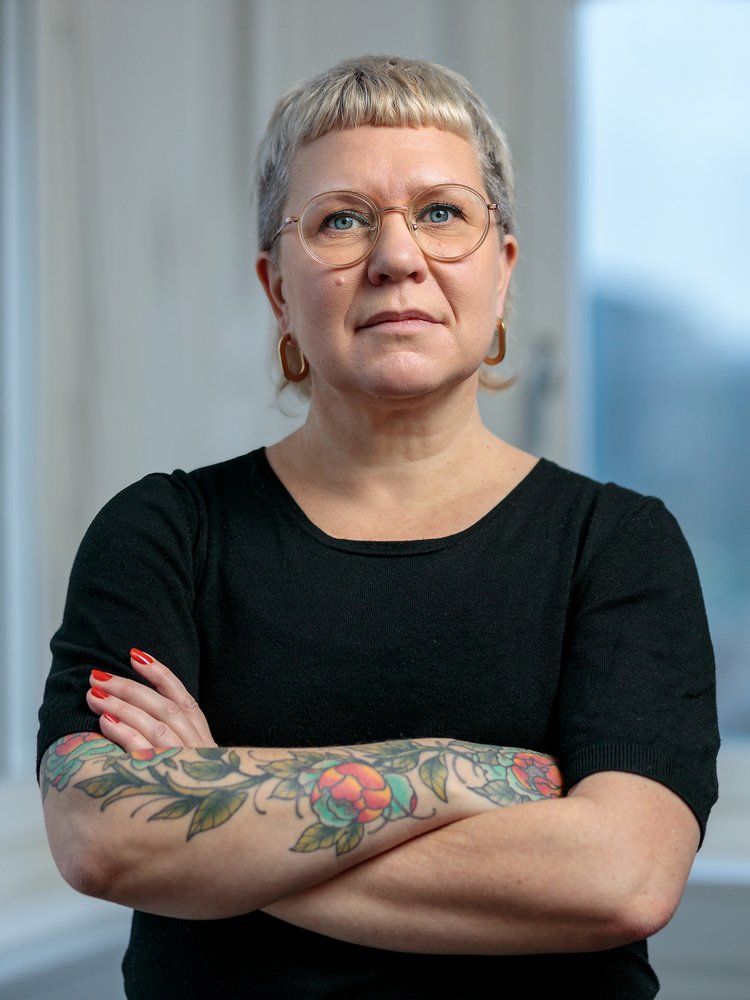
Matjaž Nahtigal lectures on commercial and international law at the Faculty of Management, University of Primorska, and from 2021 to 2025 headed the Department of International Relations at the Faculty of Social Sciences, University of Ljubljana. Between 1999 and 2005 he held senior positions in Slovenian government, including head of the Prime Minister’s Cabinet. He studies legal reform and inclusive institutions in Central and Eastern Europe during transition and after.
Photo: Jure Eržen
Tia Čiček
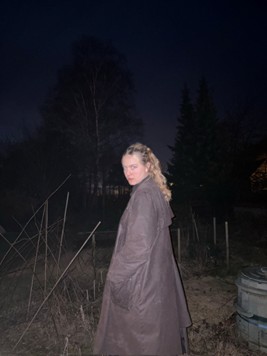
Tia Čiček is a curator, writer, and researcher. They programmed Škuc Gallery (2020 – 2025) and are currently collaborating with Maska Ljubljana while co-leading the World of Art School for Curatorial Practices. Focusing on collaborative project-making, they utilize care, feminist, and queer methodologies. Their curatorial research, entangled curating, introduces connectedness in care for more-than-human species in contemporary art.
Photo: Maryen Vasyna Vasanthakumar
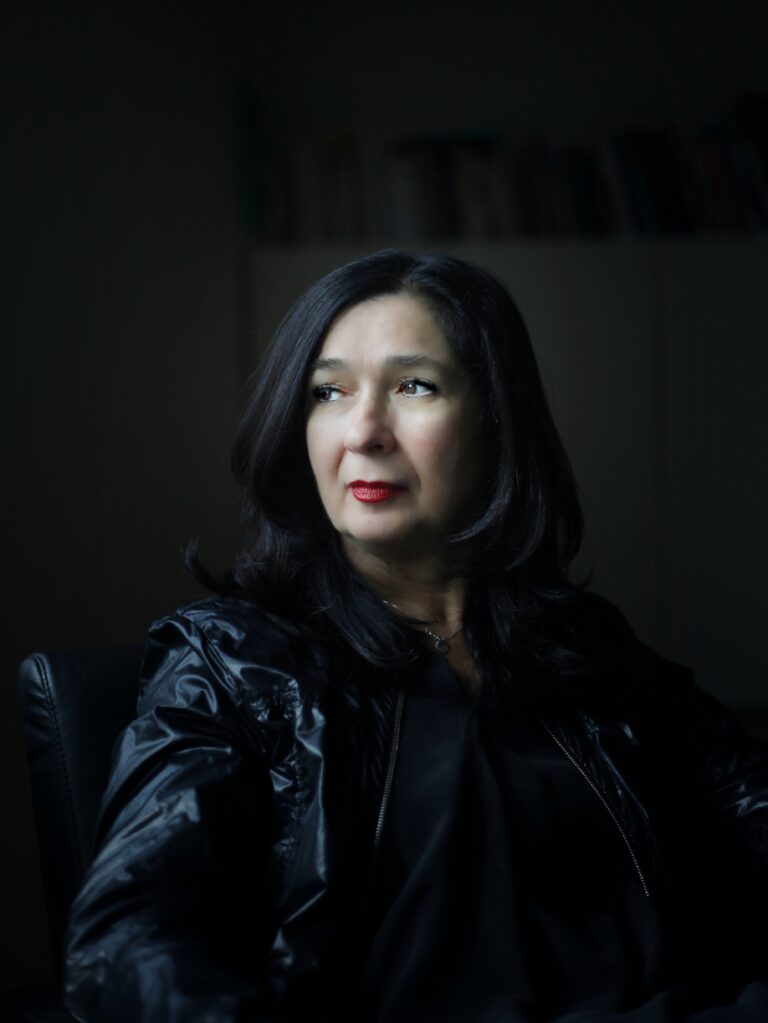
Zdenka Badovinac
Zdenka Badovinac served from 1993 to 2020 as Director of the Moderna galerija in Ljubljana. From 2022 to 2023, she was Director of the Museum of Contemporary Art in Zagreb. She currently works as an interpendent curator and author.
In her work, Badovinac deals with the historicization of Eastern European art and situated modes of cultural and artistic work. She initiated the first Eastern European art collection, Arteast 2000+ at Moderna galerija, and curated numerous exhibitions of international relevance.
Her most recent books are Unannounced Voices: Curatorial Practice and Changing Institutions (Sternberg Press, 2022) and Comradeship: Curating, Art, and Politics in Post-Socialist Europe (Independent Curators International, New York, 2019).
Photo: Igor Andjelič
Time, date and location
When: 4 of december, 10.00–12.00 am
Place: Zoom
Language: English and Swedish
Price: Free of charge
Registration: Registration required.