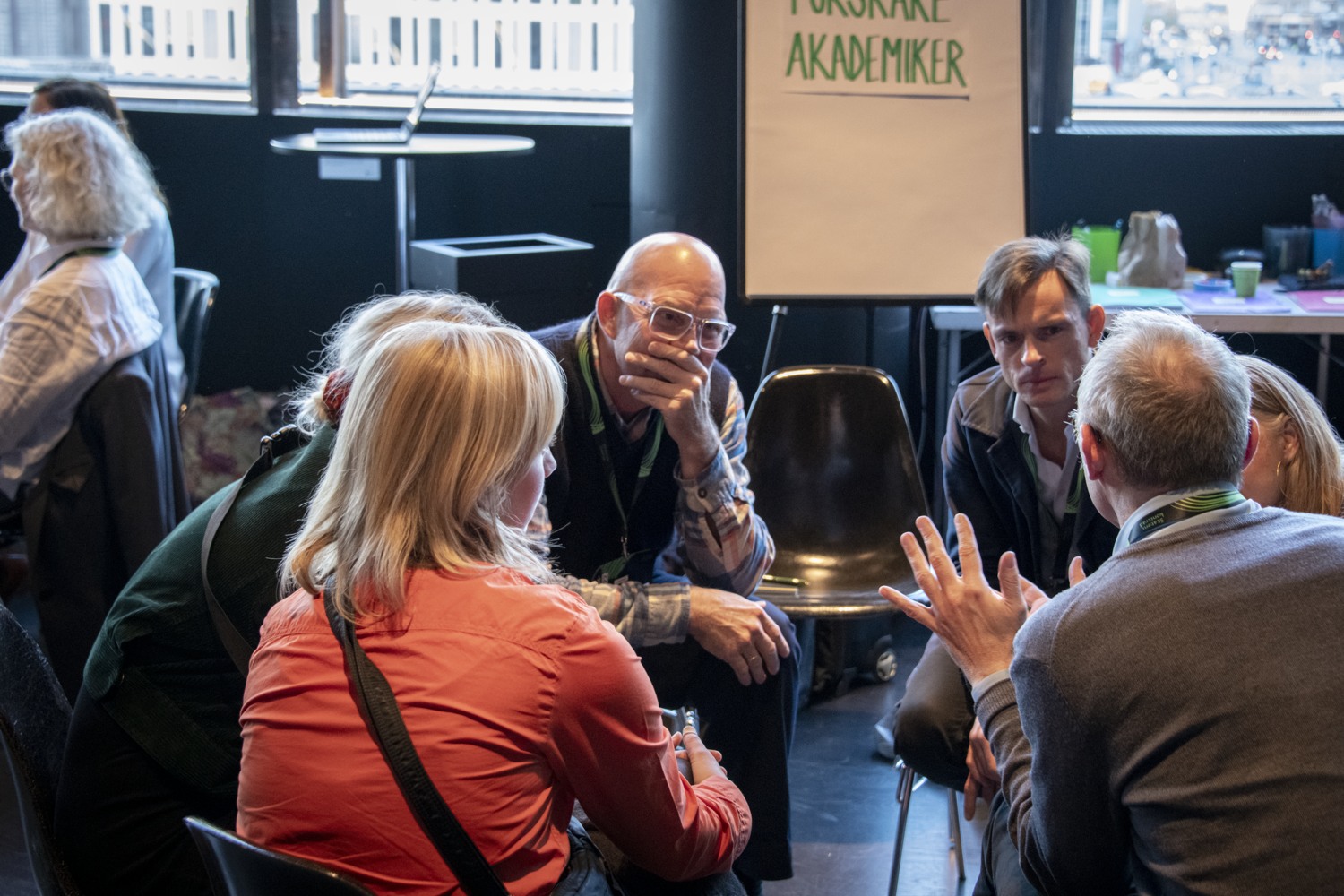
Each conversation topic is hosted by a team of facilitators, chefs and note takers. The full list of contributors is presented below, followed by short biographies of the facilitators.
Amanda Ferrada, Anna Wahlstedt, Apolonija Šušteršič, Britt Jürgenssen, Cecilia Germain, Eva Björkman, Helena Laukkanen, Javeria Rizvi Kabani, John-Paul Zaccarini, Katarina Sundkvist Zohari, Kjell Caminha, Laura Raicovich, Jonatan Habib Engqvist, Linda Holster, Maja Frykholm, Maria Svonni, Mick Wilson, Nachla Libre, Nilo Zamiri, Rani Kasapi, Rena Baledi, Sandi Hilal, Sarah Philipson Isaac, Sebastian Dahlqvist, Sophie Mak-Schram, Vishnu Vardhani Rajan, Wan Ing Que (Ying).
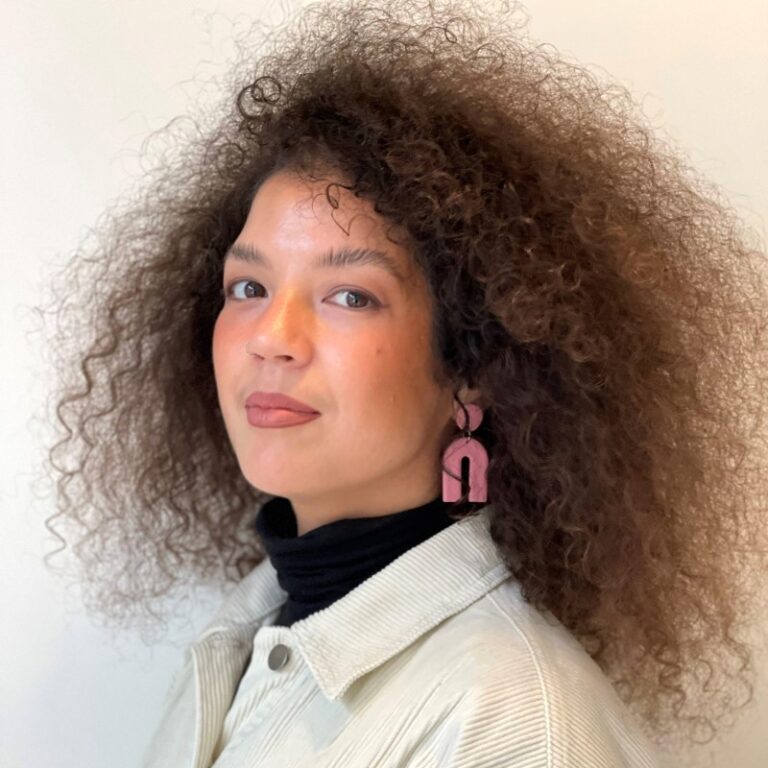
Amanda Ferrada
Amanda Ferrada is an art historian with a background in contemporary art, cultural critique, and curatorial work. Over the years, she has helped build platforms, networks, and processes where art, culture, and social issues intersect. In her work, she uses culture as a method to strengthen participation, create community, and open up space for more perspectives in societal development. Her work centres on how culture can contribute to social sustainability, local engagement, and more meaningful participation in societal development. With a particular focus on youth, diasporic experiences, and the significance of place, she explores how culture can create new pathways to influence, belonging, and change.
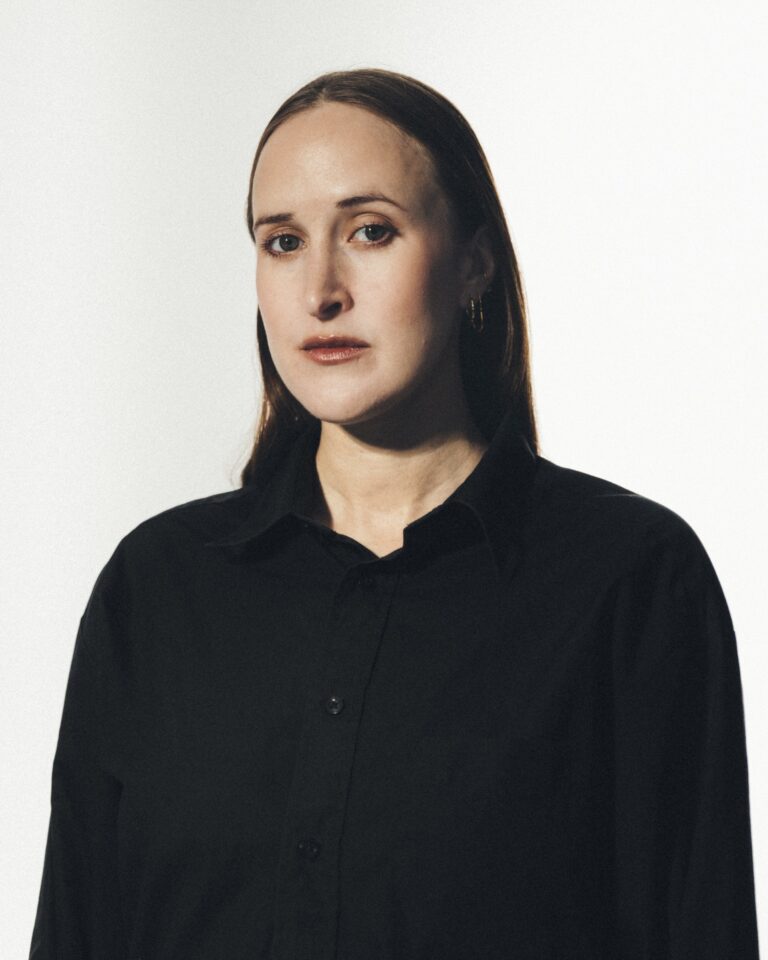
Anna Wahlstedt
Anna Wahlstedt is a curator and project manager at the City of Malmö’s Cultural Department, working with public art and with artistic processes in the planning of the city through Malmö konst. Together with Rena Baledi she curated the group exhibition Hela staden är ett monument (The Whole City is a Monument), and she is one of two project leaders for Anti-Racist Monument, a long-term public art project run by the City of Malmö since 2019.
Photo: Ikram Abdulkadir
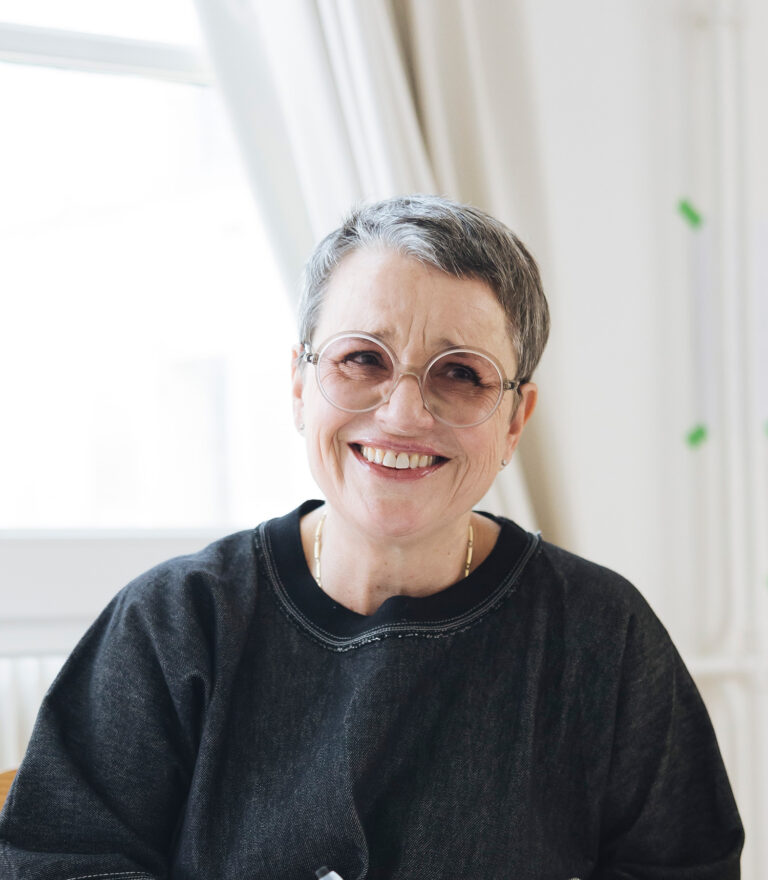
Apolonija Šušteršič
Apolonija Šušteršič is an artist, architect, researcher, cook, or gardener whose interdisciplinary practice explores the relationships between people, space, and society. Working across art, architecture, and critical spatial practice, she develops long-term, research-based projects that invite collective participation in the public realm. Her work embraces uncertainty and “not-knowing” as productive conditions for generating knowledge through observation, listening, dialogue, translation, and making. Collaboration and learning are central to her methodology, embedded in almost every project as both a research tool and a form of practice. By bringing together diverse participants, she creates situations that foster shared knowledge, social engagement, and alternative ways of imagining and shaping the future. She holds a PhD from Lund University and Malmö Art Academy and conceived, developed, and led the MFA Program in Art & Public Space at the Oslo National Academy of the Arts. She has exhibited internationally at Moderna Museet, the Berlin Biennale, the Venice Architecture Biennale, among others.
Photo: Matthieu Joffres
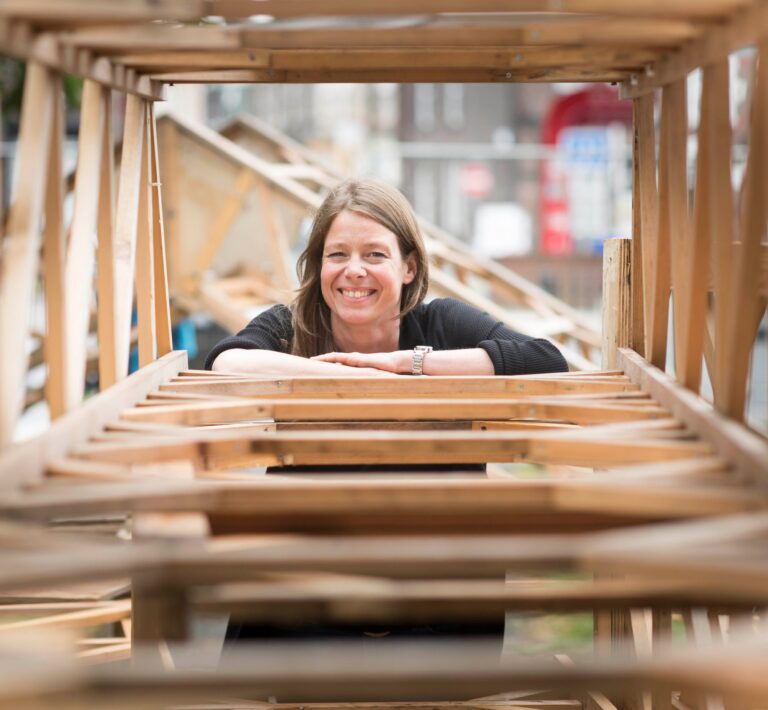
Britt Jürgenssen
Britt Jürgenssen’s artistic practice explores what it takes for people to collectively shape the way they live, work, care, exchange and gather. She facilitates situated interventions and embodied processes that invite people to negotiate differences and embody new narratives. This work takes the form of performances, exhibitions and initiatives such as community-owned homes or a cooperative launderette. In Anfield, Liverpool, she co-founded Two Up Two Down (formerly Homebaked Community Land Trust), a long-term experiment in community ownership and neighbourhood transformation. She has long collaborated with artist Jeanne van Heeswijk and, more recently, with anthropologist Hannah Knox on creative approaches to the energy transition. In her new home in Malmö, Britt has co-instigated Backa Kåken, a process to transform a former prison into a community-owned centre for culture, work and social movements.
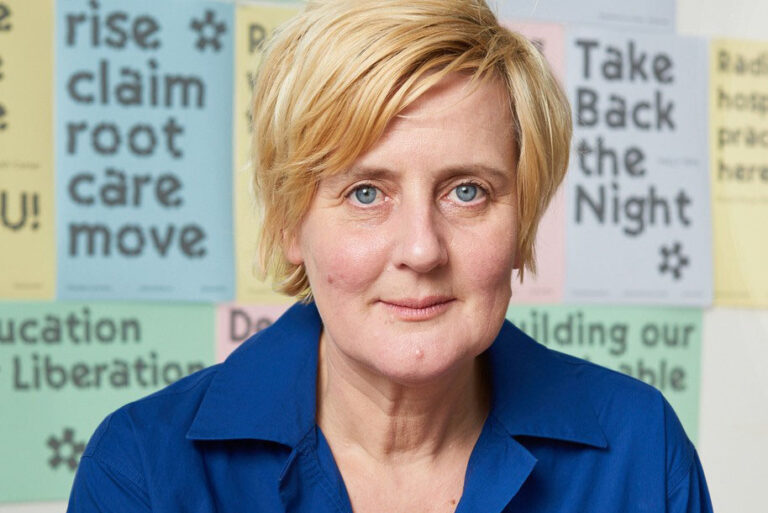
Jeanne van Heeswijk
Jeanne van Heeswijk’s work emerges from specific local contexts and unfolds over extended periods of time, allowing relationships, shared knowledge and agency to develop. Collaborators are invited to reflect on their own positions, histories, and belongings, and to collectively question existing power structures while practicing alternative ways of living and working together.
Grounded in methods from community organizing, pedagogy, storytelling, and spatial practice, Van Heeswijk’s projects facilitate what she describes as “training for the not-yet”—a process of preparing ourselves, together, for a more just future that has not yet been realized but needs to be collectively imagined and enacted.
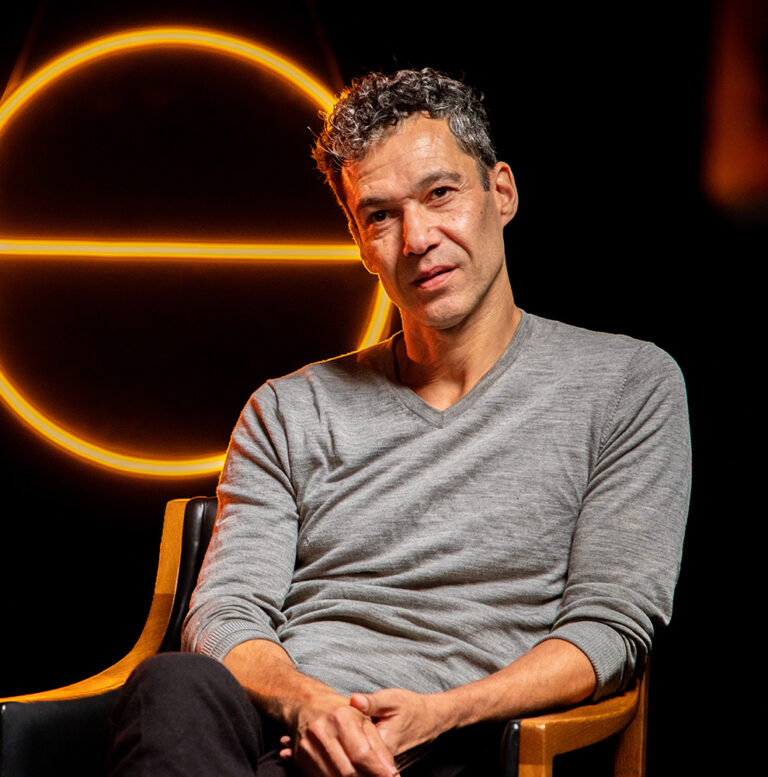
John Paul Zaccarini
John-Paul Zaccarini is a Stockholm-based artist, writer, and scholar in Psychoanalysis and Black Studies. Currently a Professor of Performing Arts at Stockholm University of the Arts. He has previously worked across the performing arts as performer, director, dramaturge and choreographer. He researches art, therapy, and activism through FutureBrownSpace, exploring Radical Healing and decolonizing artistic research for BIPOC practitioners. His current practices are hosting, spoken word and the speculative novel.

Laura Raicovich
Laura Raicovich is a NYC-based writer, curator, and co-founder of The Francis Kite Club. Author of Culture Strike (2021), she previously led the Queens Museum and Creative Time’s Global Initiatives, and held roles at Dia Art Foundation, The Guggenheim Museum, and Public Art Fund. She co-edited Studies Into Darkness and co-launched Protodispatch. She’s writing a book on the 1943 Exhibition by 31 Women and curated COUNTERPUBLIC’s CIRCUS OF LIFE in St. Louis, October 2025.
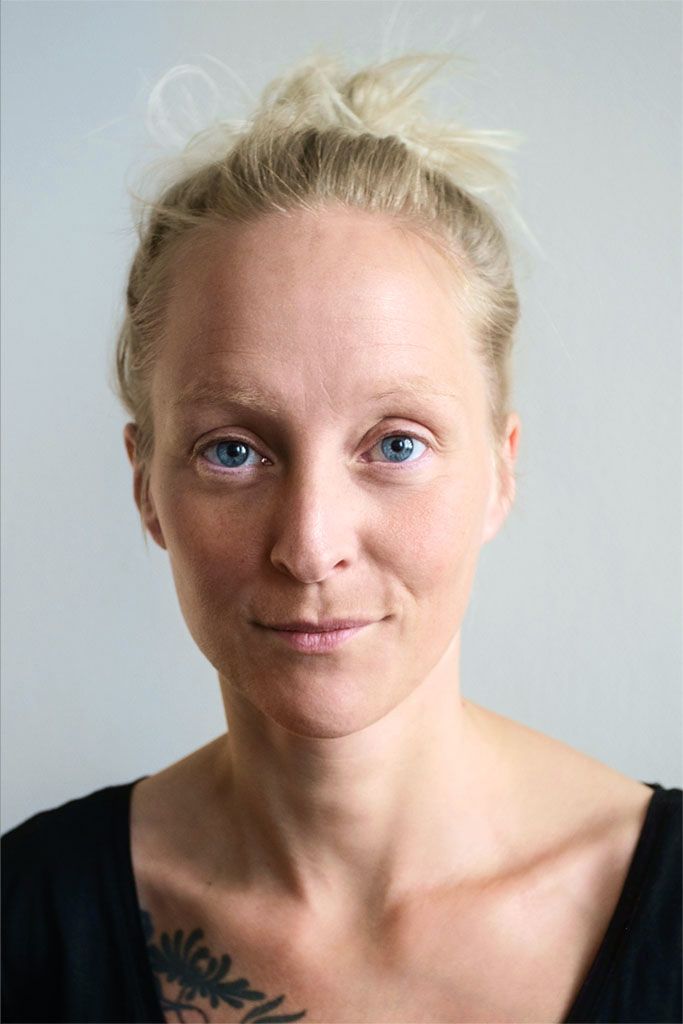
Maria Svonni
Maria Svonni is a curator based in Giron (Kiruna), Sápmi. She is currently the artistic director of Luleåbiennalen and founded Verdde, a nomadic institution advancing Sámi perspectives and long-term change within contemporary art networks. She helped establish Kiruna Konsthall (KiN) and was part of the team that formulated the artistic programme in the winning application for Giron to become European Capital of Culture in 2029. She will be involved in bringing the programme to life, with a focus on Indigenous Sámi values and public art. Her site-specific, collaborative practice centres on cultural sustainability, regional development, and securing a permanent institutional presence for Indigenous artists.
Photo: LKP
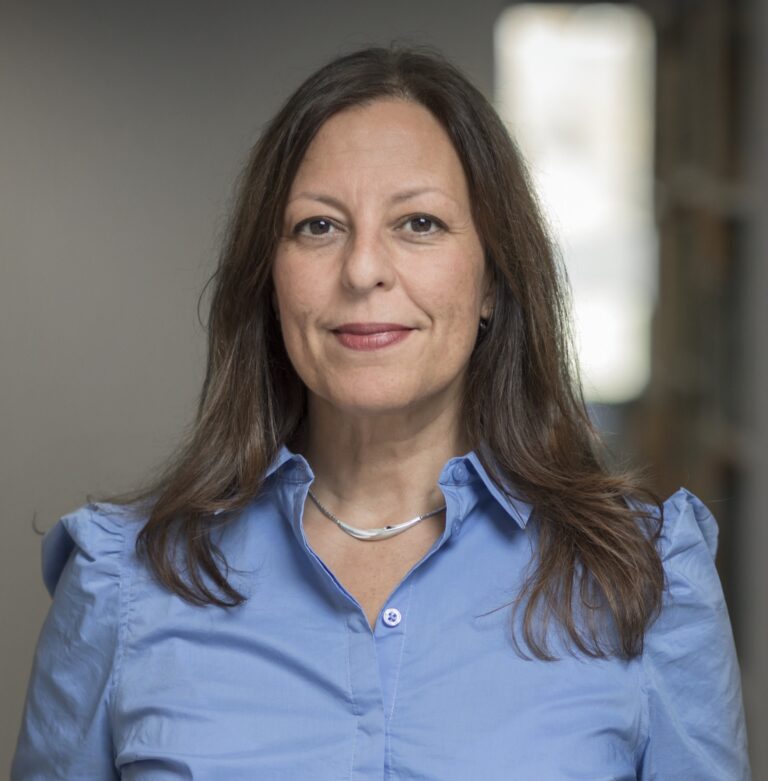
Rani Kasapi
Rani Kasapi heads the Exhibitions Department at the National Museums of World Culture and has extensive experience across the independent and public cultural sectors. She has served as Deputy Director-General at the Ministry of Culture, where she headed the Arts Division, and as Director of Culture in Botkyrka Municipality. She has also developed Riksteatern’s international and intercultural activities. At the Ministry, she worked with cultural policy, crisis management during the pandemic, and leadership. She led the international high-level World Summit on Arts and Culture 2023 in Stockholm, themed “Safeguarding Artistic Freedom.” Her broad experience in cultural production, organisational development and leadership supports her current work exploring how cultural institutions can create relevant narratives, engage audiences and contribute to societal development.
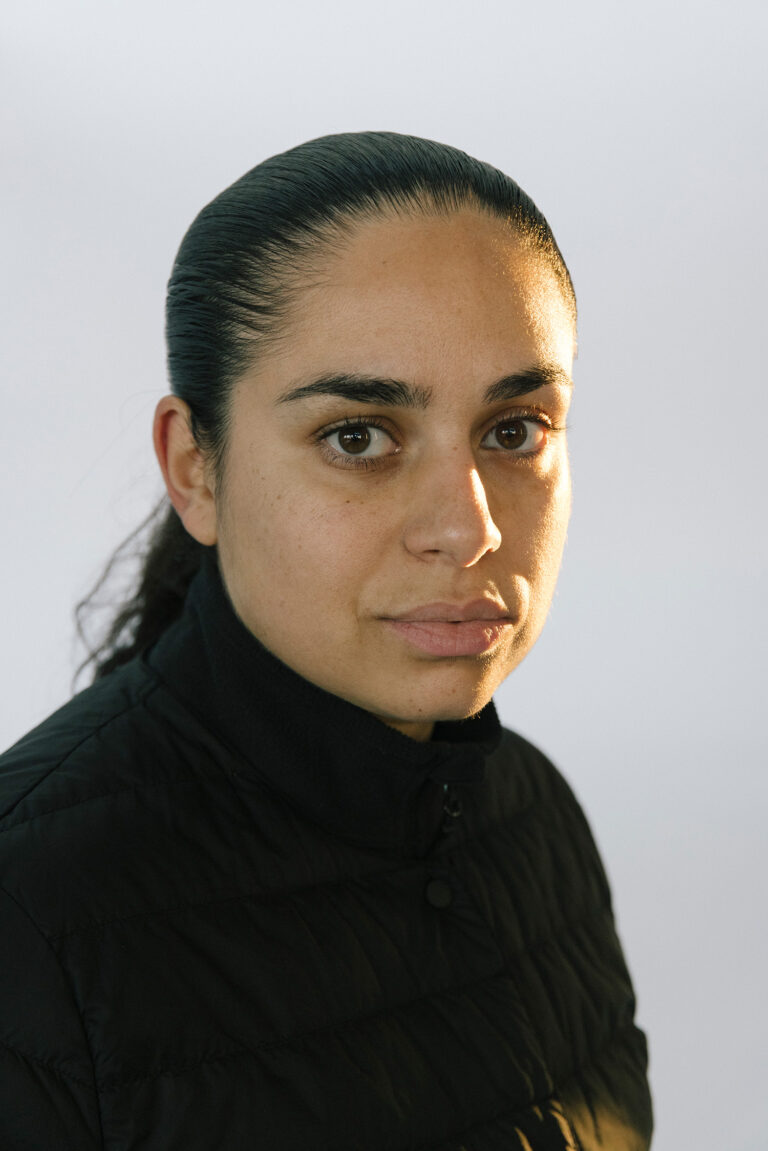
Rena Baledi
Rena Baledi is a curator and art project manager at Malmö konst, the public art unit of the City of Malmö’s Cultural Department, where she works with public art and with artistic processes in the planning of the city. Her recent commissions include Följ tråden! (2025). She is one of two project leaders for Anti-Racist Monument, a long-term public art project run by the City of Malmö since 2019.
Photo: Ikram Abdulkadir
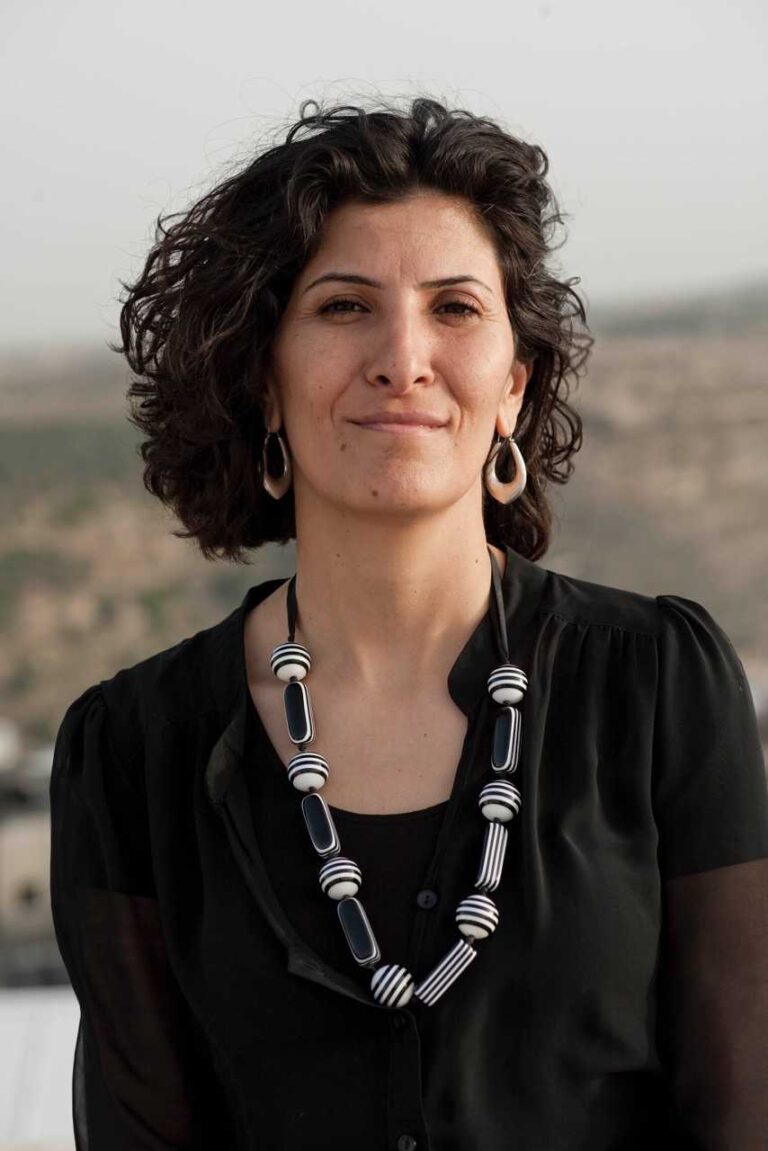
Sandi Hilal
Sandi Hilal is an architect, artist, and educator whose work emerges where architecture, art, and collective life meet. Her practice engages displacement, statelessness, and migration, exploring how learning together, hosting one another, and reclaiming space can become forms of political imagination and collective self determination. Together with Alessandro Petti, she co directs DAAR, Decolonizing Architecture Art Research, a practice rooted in long term collaborations, friendships, and communities. Her key initiatives include The Living Room (Al Madhafah), Campus in Camps, The Tree School, Refugee Heritage, Stateless Heritage, and The Concrete Tent. Most recently, she co initiated DAAS, Decolonizing Architecture Advanced Studies, in Sharjah, a pedagogical platform for situated learning and collective research on architecture and decolonization. DAAR’s work has been exhibited internationally and has received numerous awards, including the Golden Lion at the 2023 Venice Architecture Biennale.
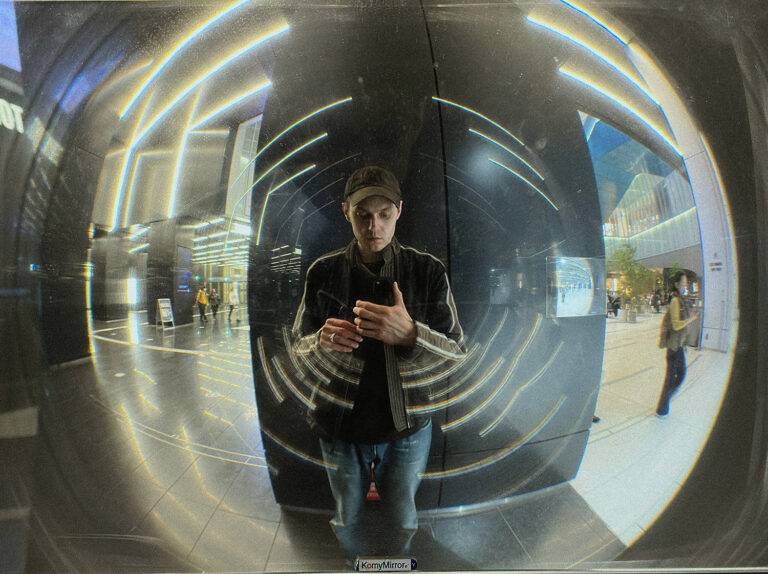
Sebastian Dahlqvist
Sebastian Dahlqvist is the artistic and executive director at Hägerstensåsens medborgarhus and an artist who in his practice often works with collective memory, urban and social space as well as historical material to confront that which underscores the present. During the last two decades his work has taken the form of exhibitions, theatre plays, publishing houses, temporary as well as long-term collectives, educational formats such as the post-master course Tusen kulturhus at the Royal Institute of Art in Stockholm and various self-organized institutions. During the last decade he’s been part of establishing Den kollektiva hjärnan, a national network for self-organized and artist-run initiatives all over Sweden.
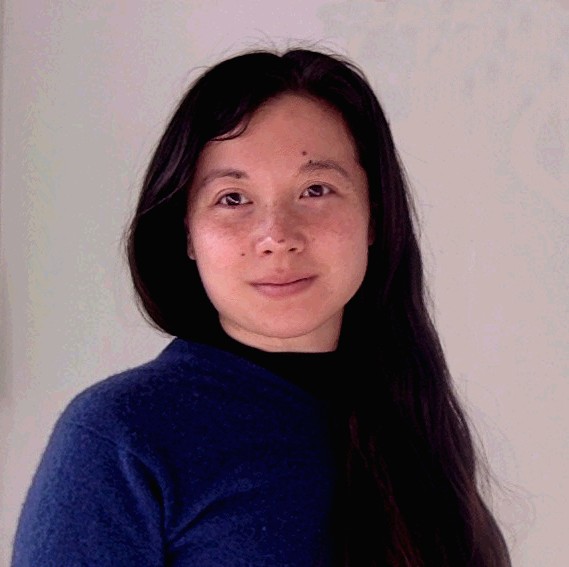
Sophie Mak-Schram
Sophie Mak-Schram is an artist, researcher and educator whose place-specific work explores power, collectivity, knowledges and futures, informed by personal and shared experiences of cultural difference, coloniality, race and gender. Using the metaphor of the ‘tool,’ Sophie collaborates to create poetic and practical tools that shift power, gather groups, and offer new ways of relating to each other, place, and institutions. They are Lecturer in Fine Art at Cardiff Metropolitan University, part of BAK Basecamp for Tactical Imaginaries, and Structural Change Artist at Metal. Their first monograph is forthcoming with Robida in late 2026.
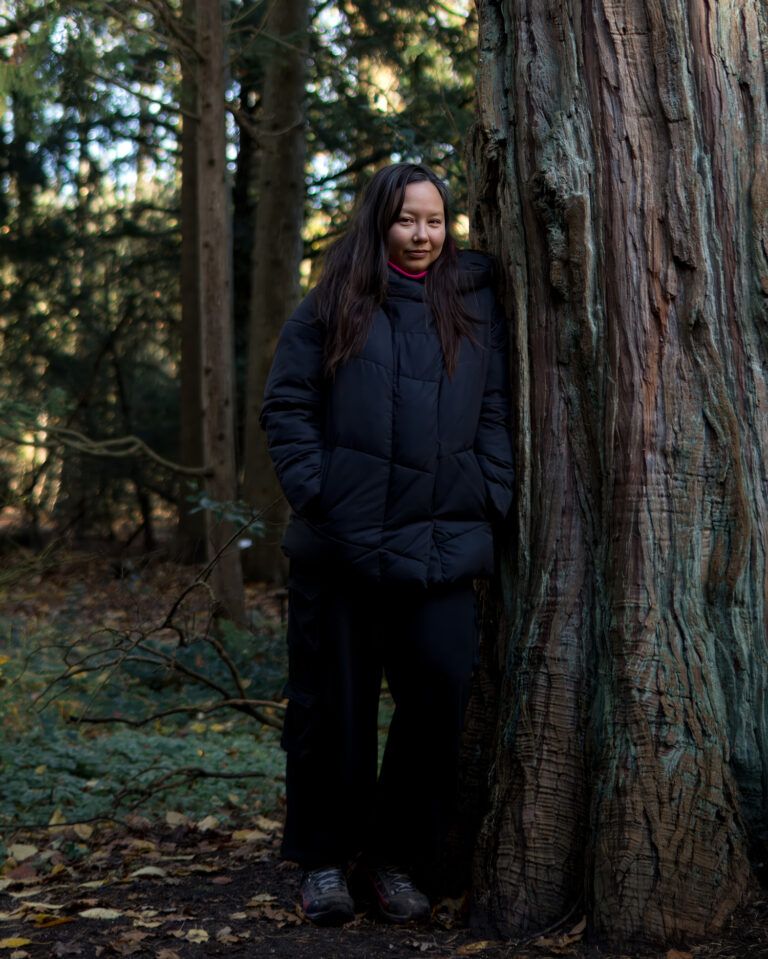
Wan Ing Que (Ying)
Wan Ing Que (Ying) is an anthropologist, educator and cultural worker whose work manifests in action research, political organizing, radio and community communications. Her facilitation practice is grounded in over 15 years of anti-racist, anarchist, and queer feminist movement work—holding space for political education and weaving anti-oppressive practices into institutional and movement life. Her research weaves together anti-colonial pedagogies, progressive Indonesian history, community archiving and commoning practices. Her work consistently centers political self-organization and the decolonization of everyday life. Wan Ing currently works at BAK Basecamp in Utrecht as coordinator of the Information & Documentation domain and as a facilitator at reschooling-with in Amsterdam.
Photo: Bayu Junaid
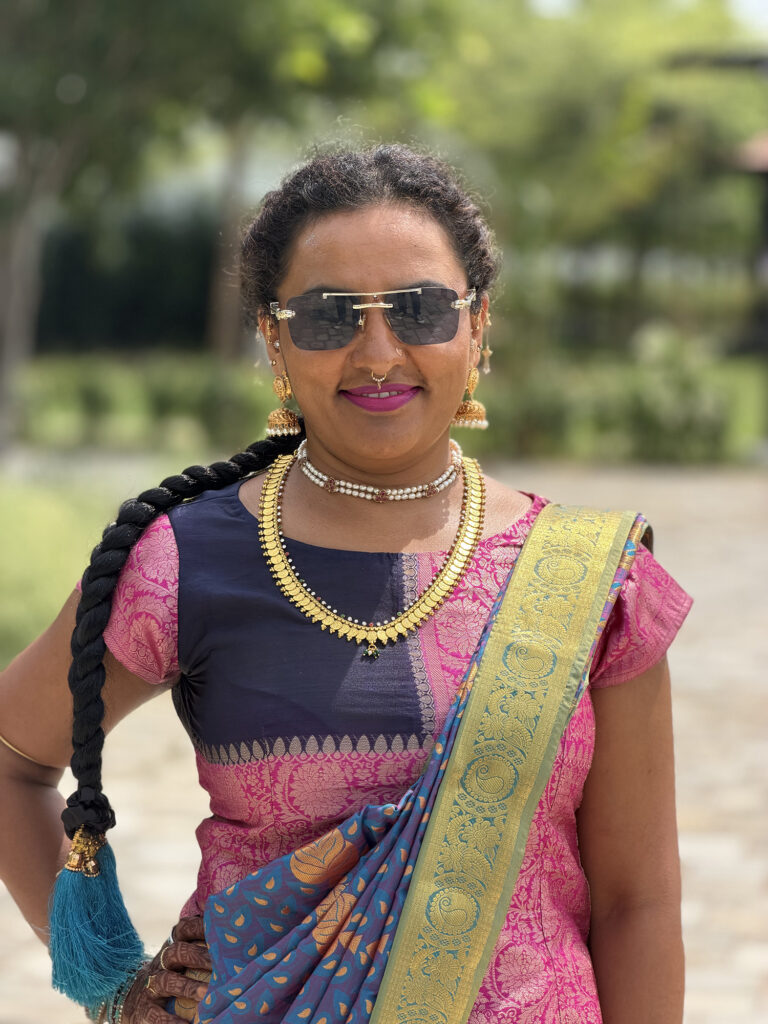
Vishnu Vardhani Rajan
Vishnu Vardhani Rajan (they/them) is a body-philosopher and performance artist based between Hyderabad and Helsinki, working across dance, performance poetry, stand-up comedy, and moving image. Their practice bridges art, science, history, and culture, often exploring conflict, sleep, shame, and madness through methodologies like quilting. Rajan’s work draws on techno-feminism, feminist economy, and mythology to interrogate how bodies, labor, and belief systems are constructed and how they might be unmade.
They founded Infinite Playlist Afterisms and originated Vamp Master Brown, Helsinki’s first Indian drag king persona. Rajan has curated and led projects including performance labs at the Museum of Impossible Forms.