A piece of forest growing in a historical context, which includes feminism, ecological thinking and peace work, has been designated as a public artwork. In Forest Calling – A Never-Ending Contaminated Collaboration or Dancing is a Form of Forest Knowledge, artists Malin Arnell and Åsa Elzén investigate the possibilities of taking a piece of forest out of production to ensure its survival in an infinite future.
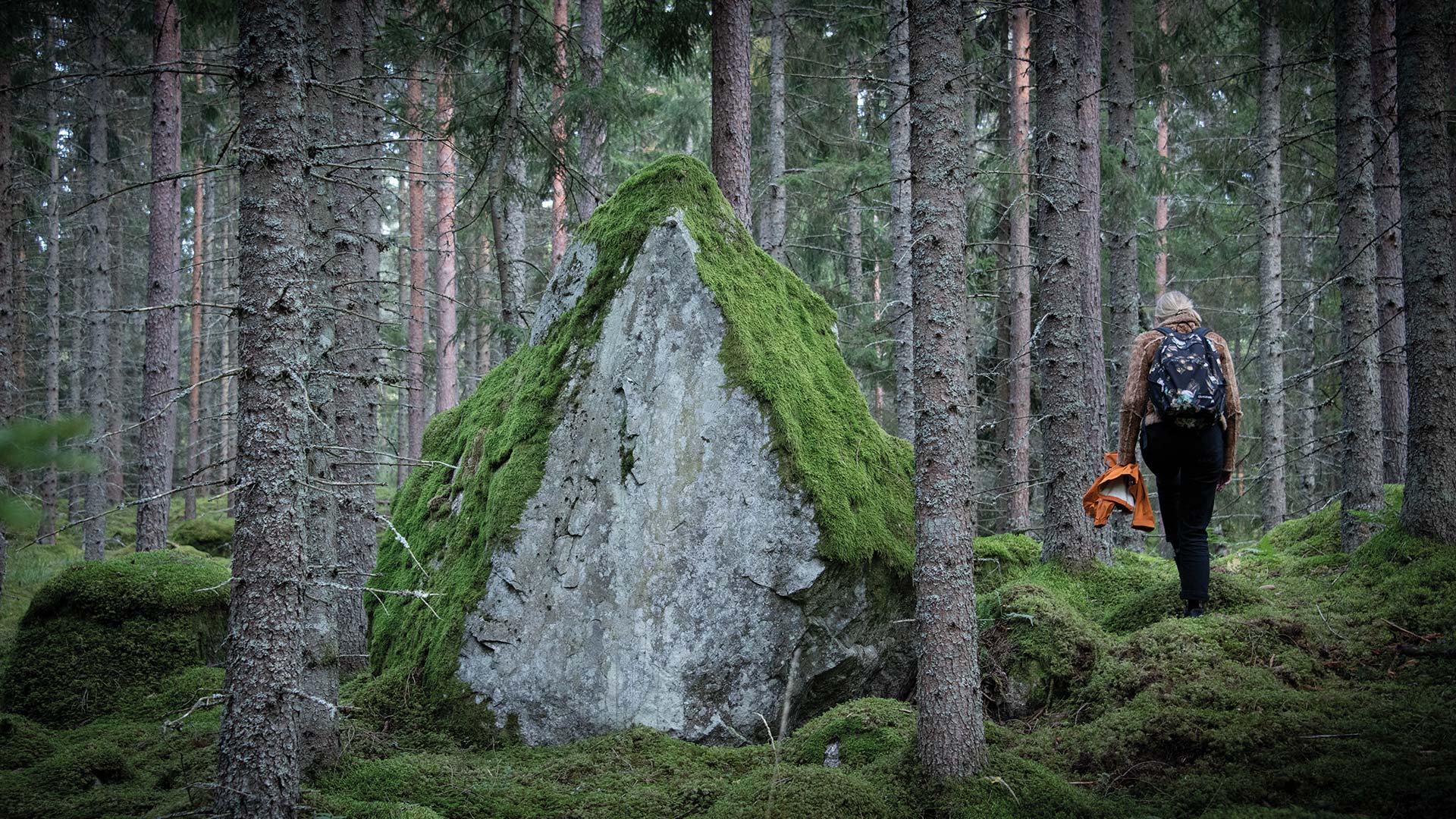
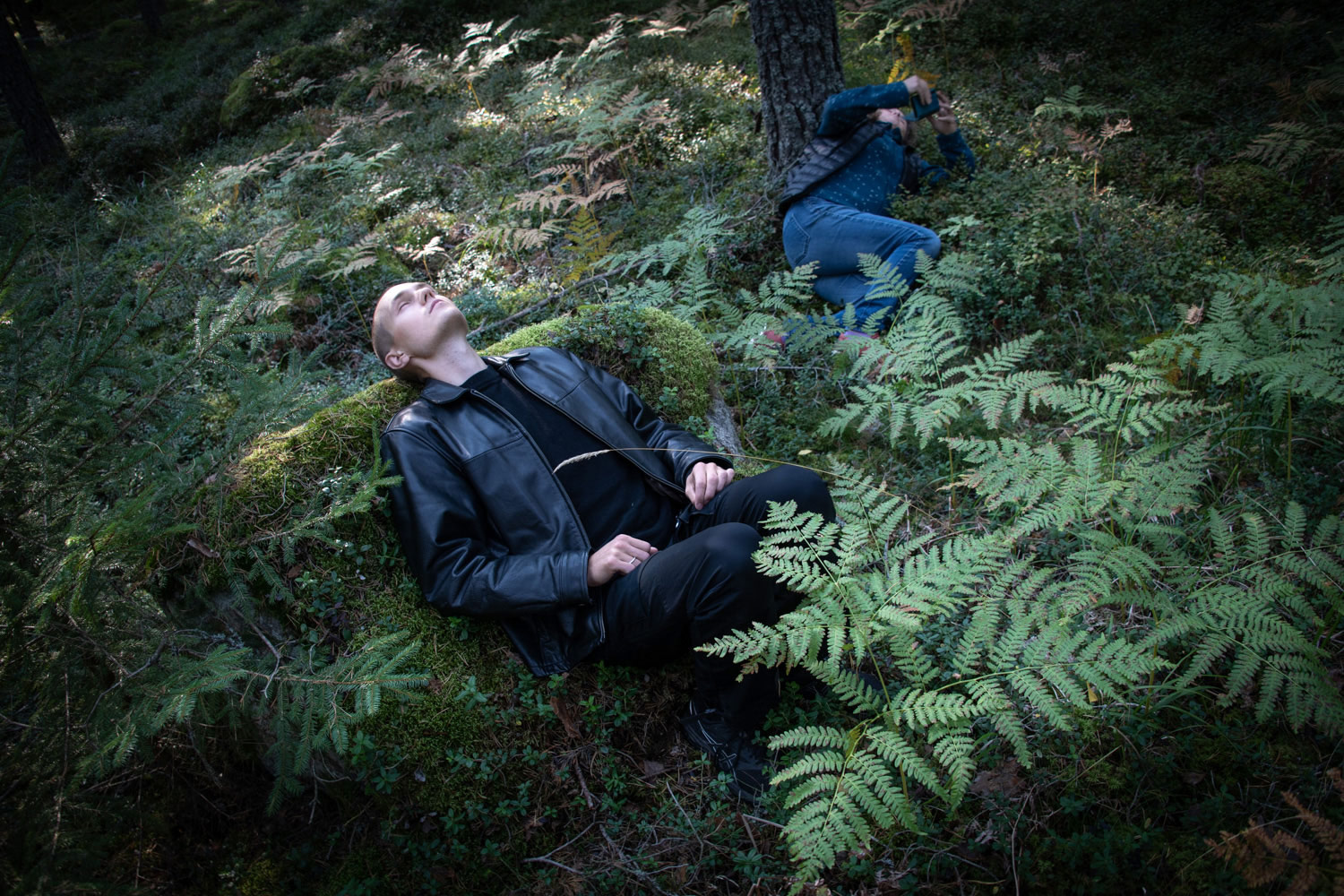
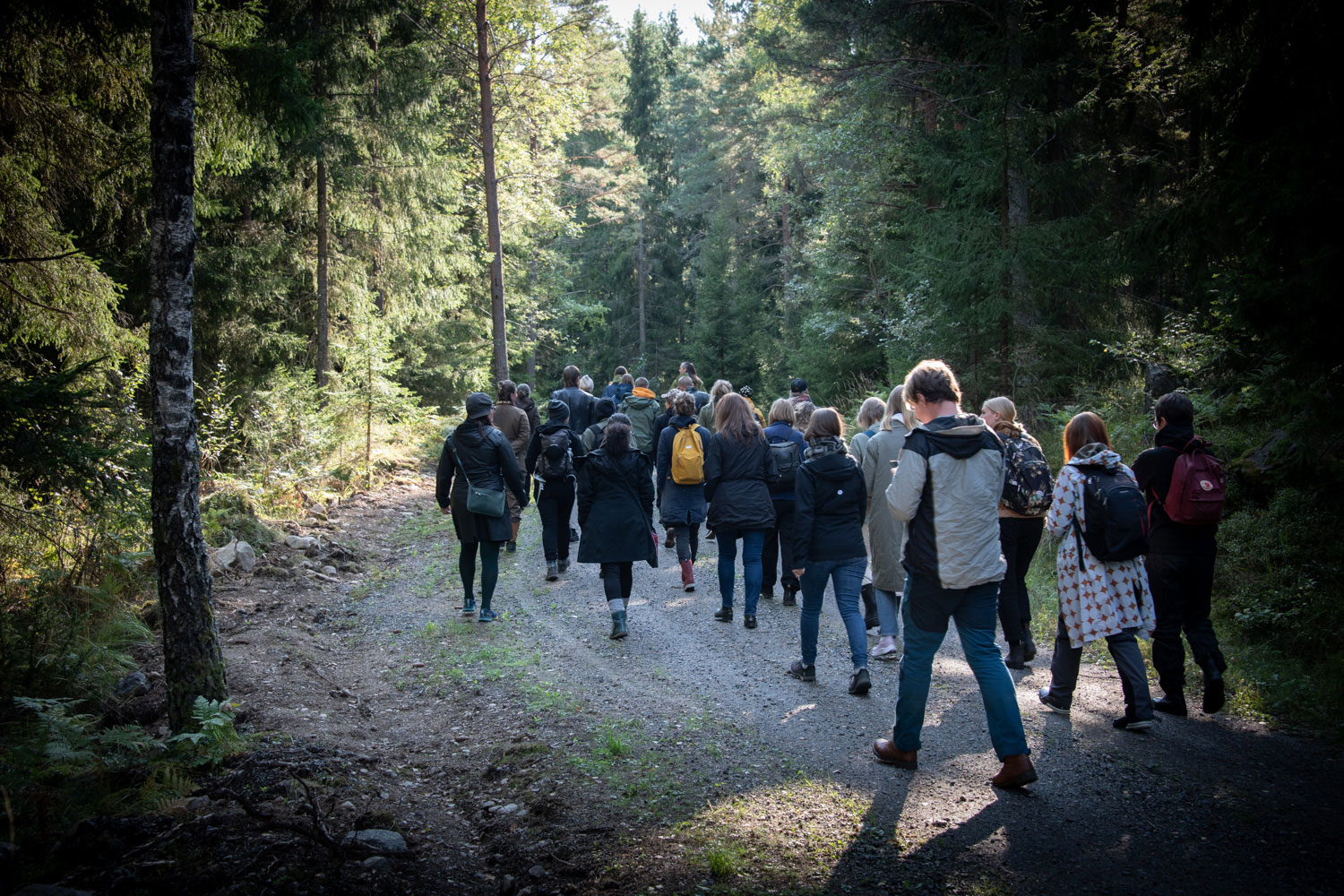
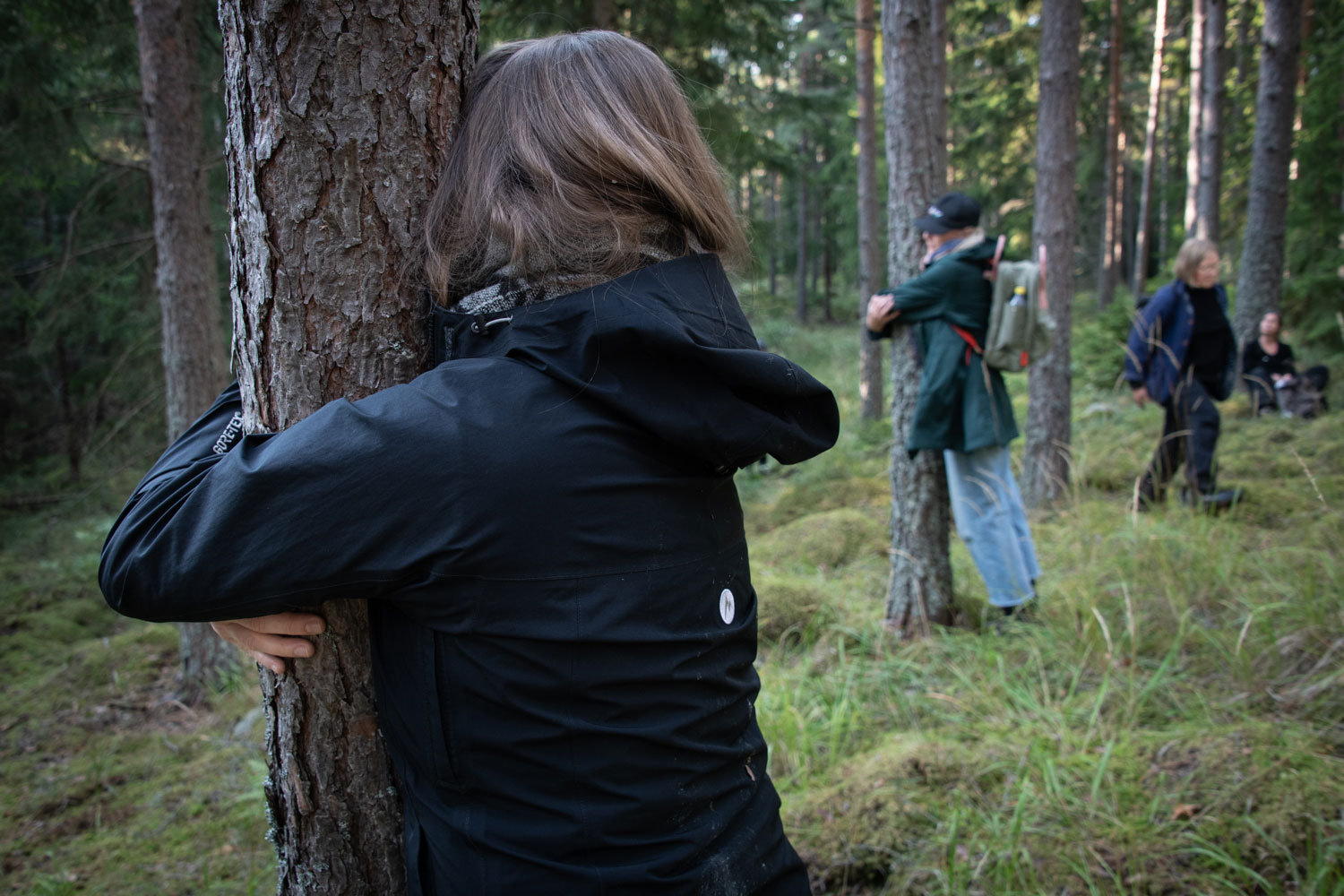
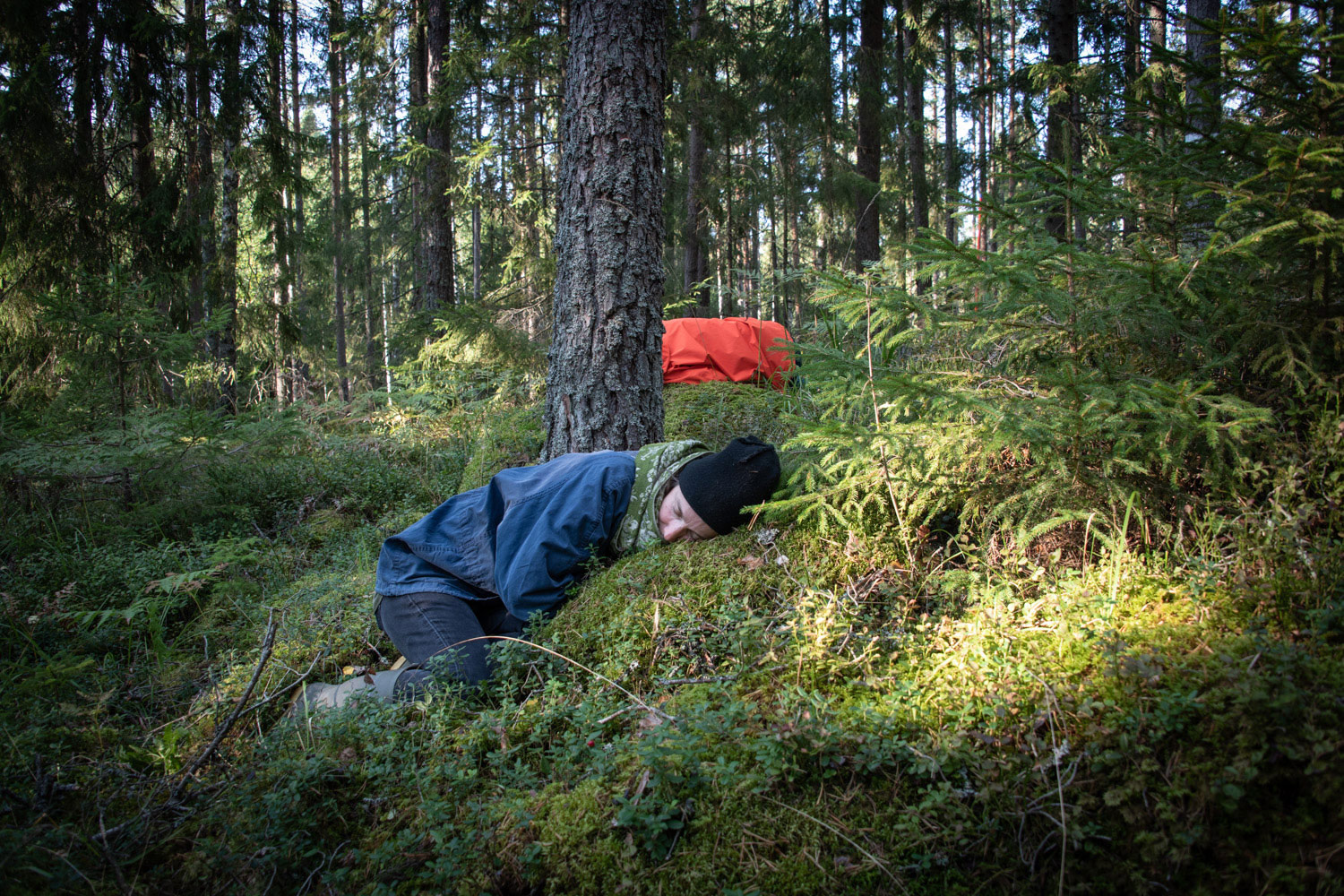
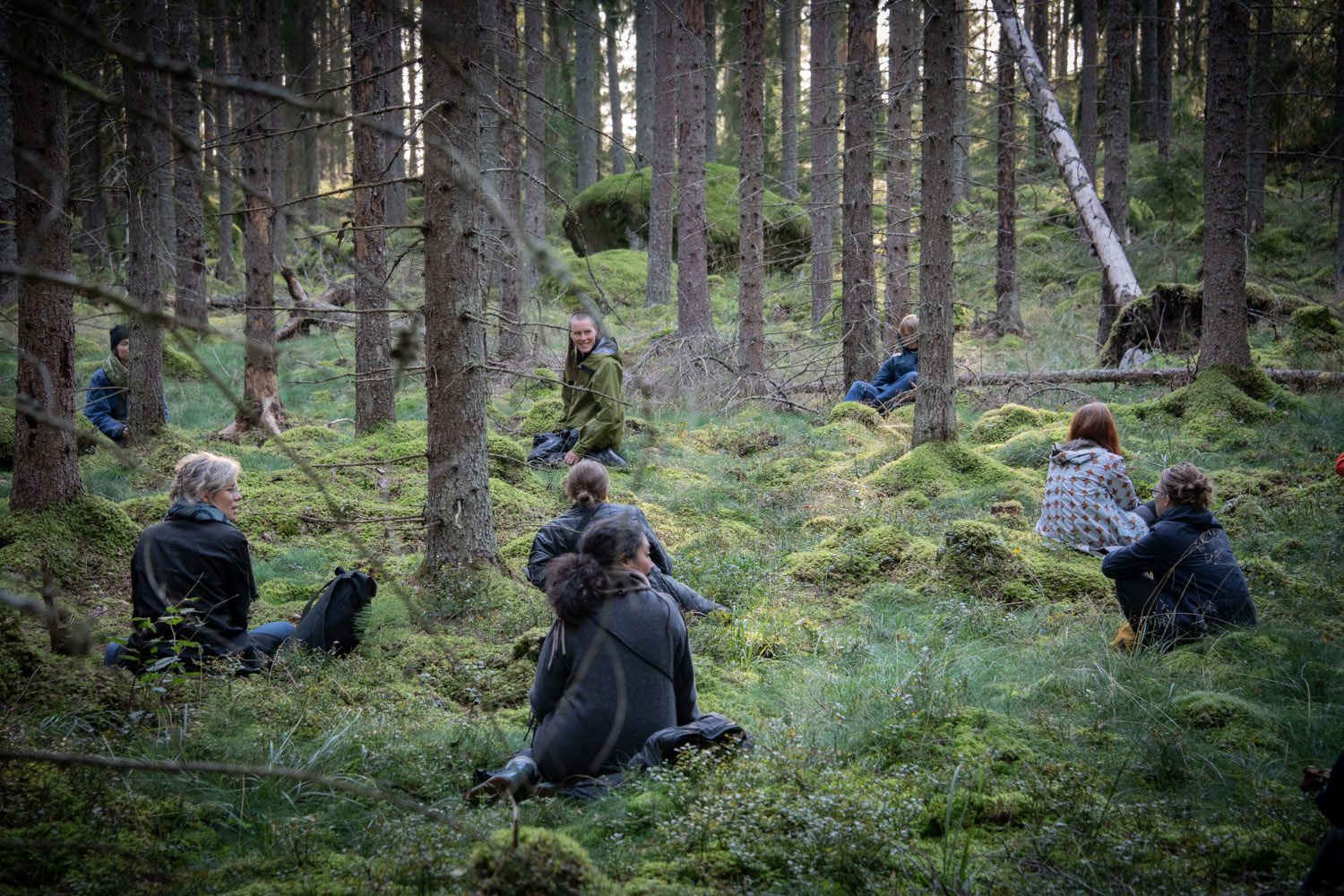
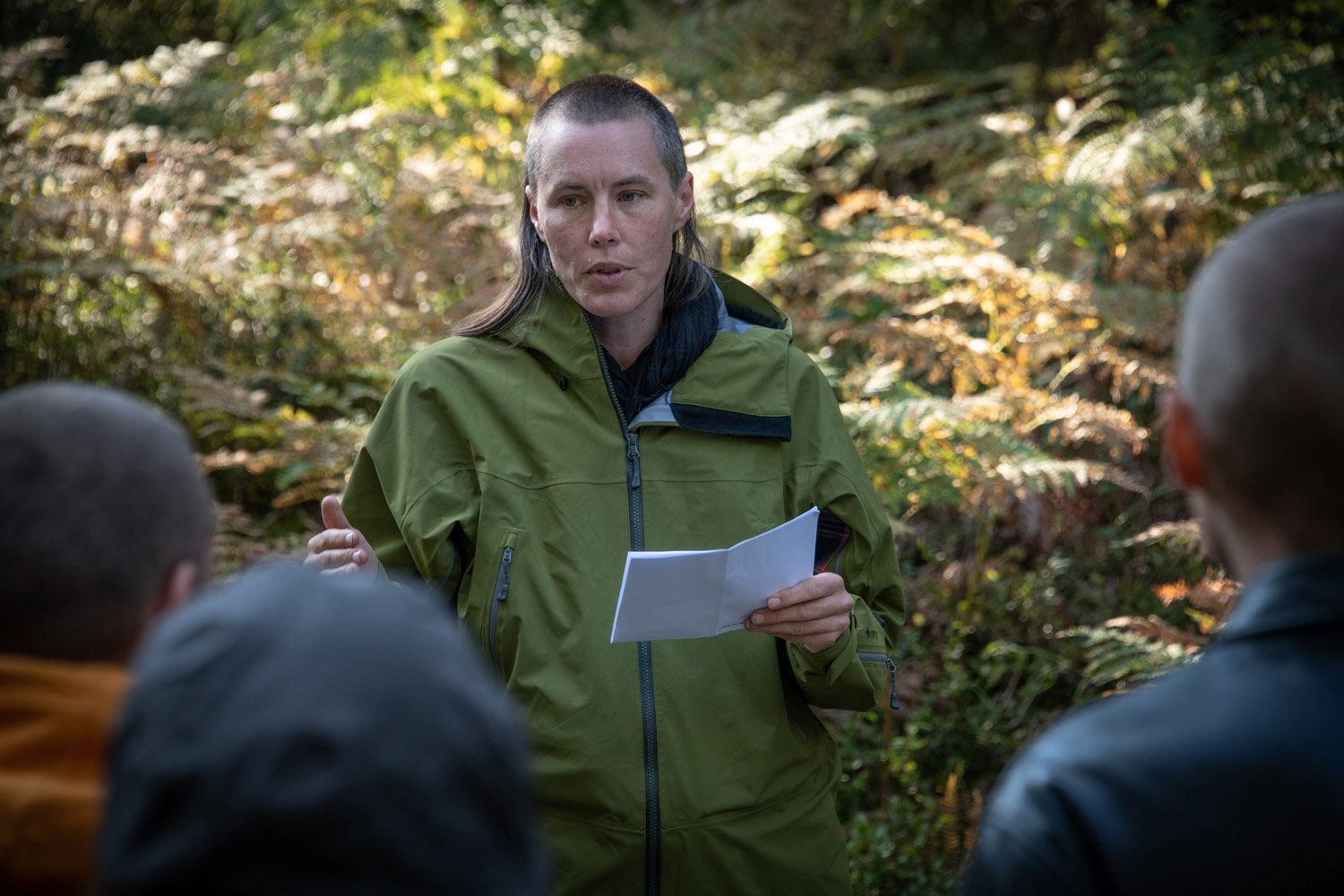
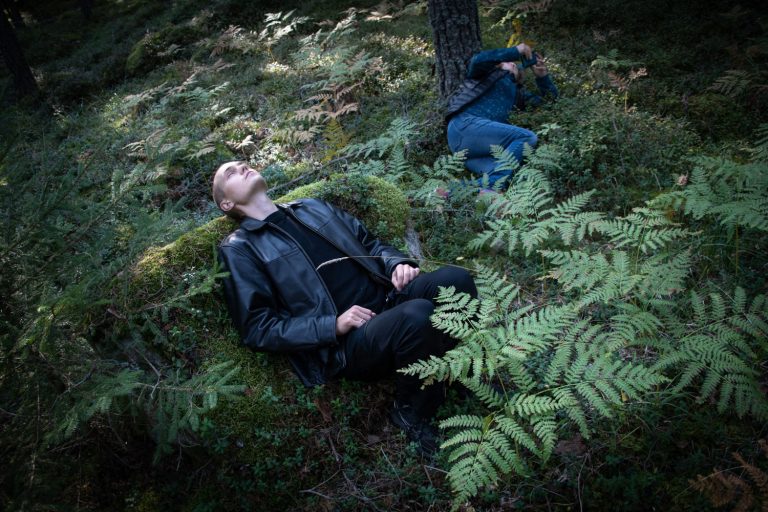
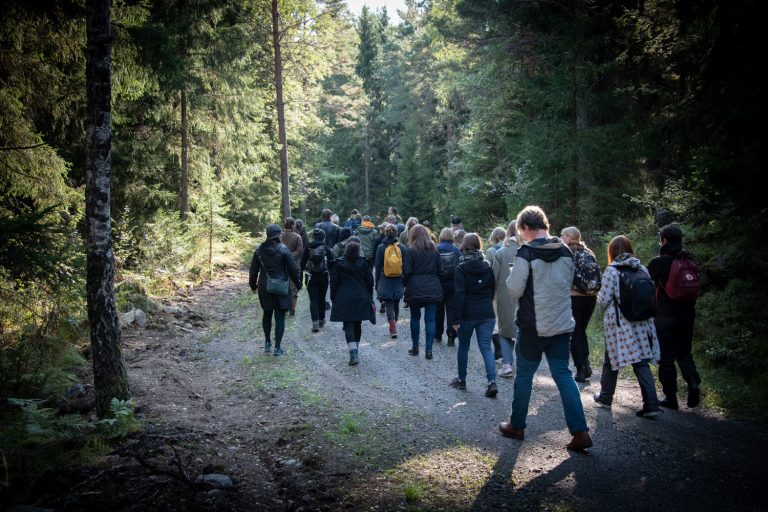
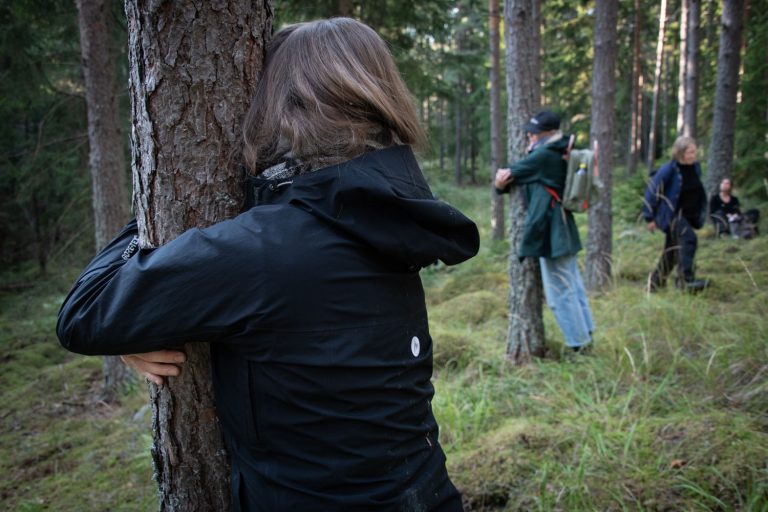
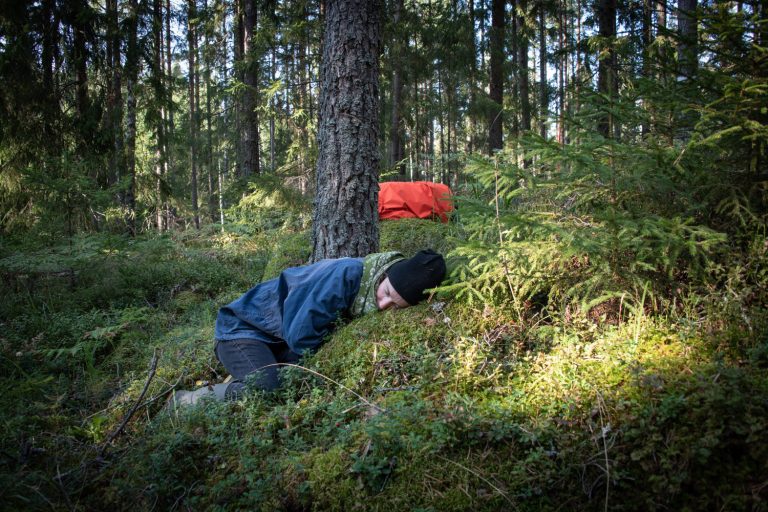
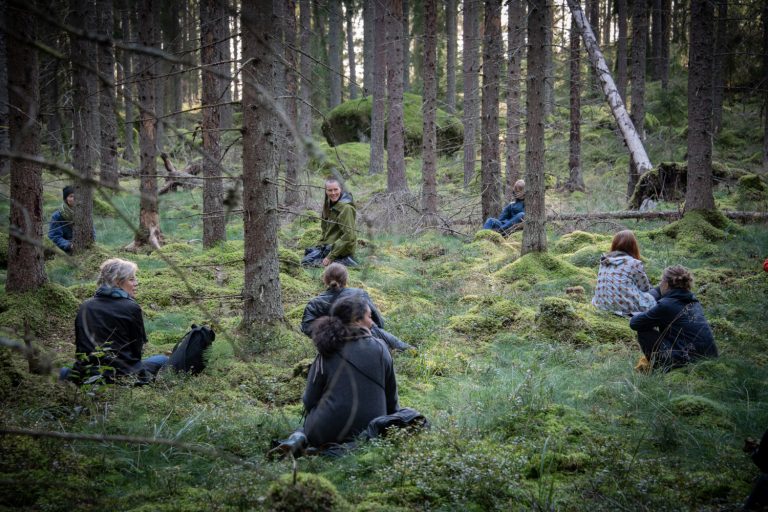
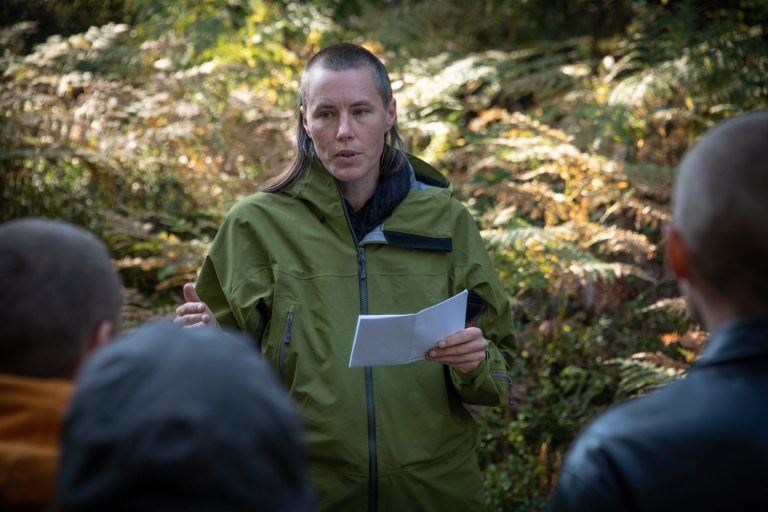
Forest Calling – A Never-Ending Contaminated Collaboration or Dancing is a Form of Forest Knowledge investigates the possibilities of taking a piece of forest out of production through an artistic-juridical intervention, to ensure its agency and survival in an infinite future. The 3.7 hectares of forest, in the shape of a triangle, is located on the property of Fogelstad Säteri near Lake Aspen in Julita, Katrineholm Municipality. A fifty-year lease agreement has been signed as a first step in the commitment.
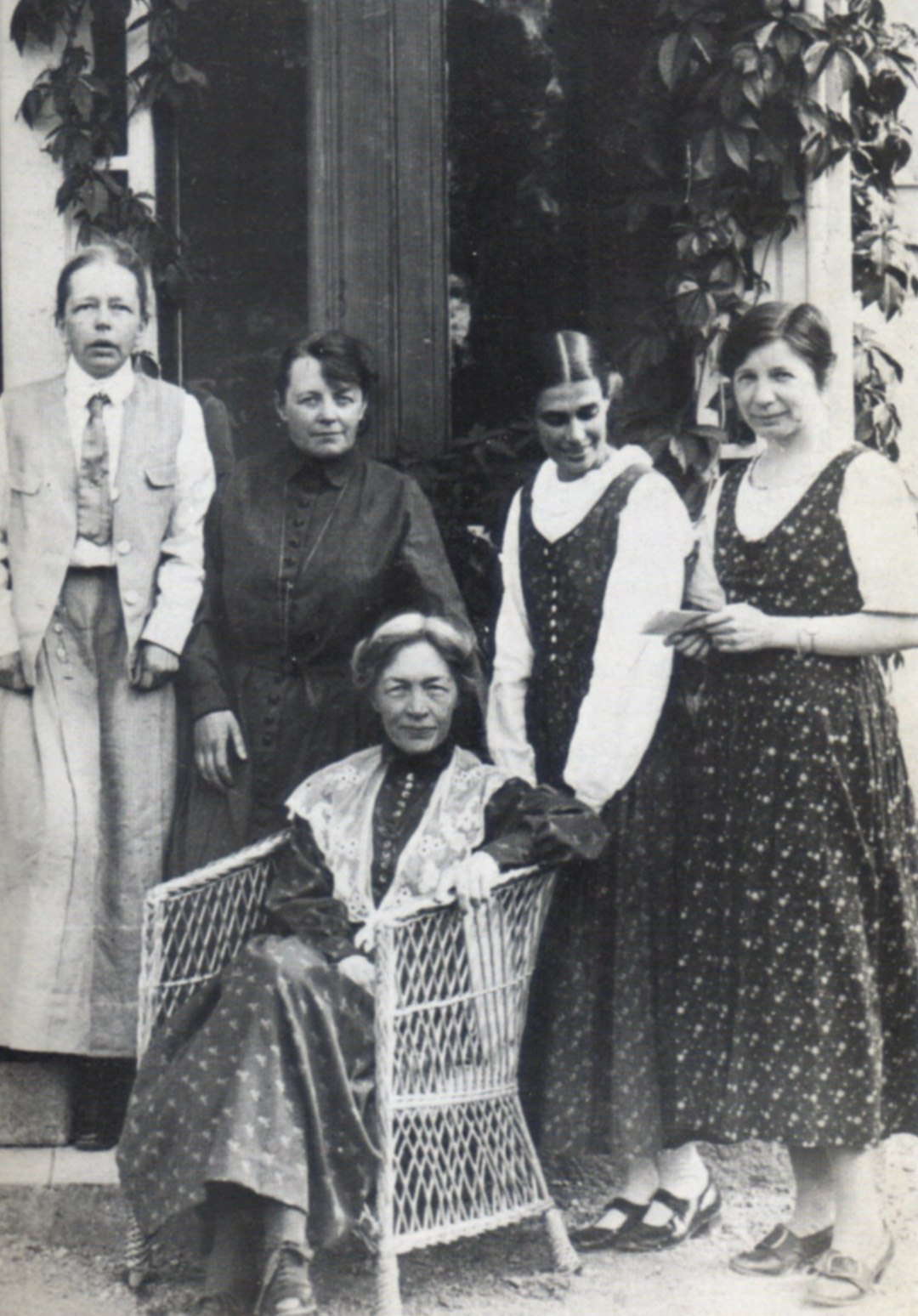
Based on today’s regulations and definitions, this piece of forest is classified as production forest. The lease agreement enables the forest to be taken out of production and allowed to live on, instead of being felled according to a forestry plan. Before the lease agreement expires in 2069, the forest will thus be defined as “old-growth forest with high biodiversity value” and considered worth preserving. Unlike a nature reserve that usually aims to “protect” a fragile environment, Arnell and Elzén want to enable an ambiguous examination of our intricate, planetary, reciprocal interdependence through the artistic displacement and framing. Parts of the forest were planted while organic farmer Elisabeth Tamm was owner of the Fogelstad estate. Together with educator Honorine Hermelin, labour inspector Kerstin Hesselgren, physician Ada Nilsson and writer Elin Wägner, she formed the Fogelstad Group in 1921. The group came together through the fight for peace, democracy and women’s suffrage. Among other things, they ran the Fogelstad Citizen School of Women (1925–1954) and published the political weekly magazine Tidevarvet 1923–1936. The group was politically independent and strongly committed to “the land question”, which today can be argued to be part of a wider discussion about social, economic and ecological resilience.
The forest becomes a monument, an ongoing transformative performative public artwork, which both honours the Fogelstad Group’s practice and becomes part of today’s politics regarding the designed living environment. When the forest is made into a public artwork, it is lifted from its predetermined context as a production forest and becomes a kind of resistance to the Western teleological perception of time. The forest lives on in a different temporality, where a time axis from the Fogelstad Group and their fight for peace with the earth is allowed to continue instead of being broken. Instead, by leaving the forest standing, it is the anthropocentrically predetermined profit-driven temporality – that the forest is part of today – that is broken.
Forest Calling inscribes itself in a pool of non-holistic relationships, contaminated collaborations and processes with their own temporalities that help us think of time in a variety of speeds, formations and scopes, as one of the obstacles to understanding the extent of climate change is the inability to perceive different simultaneous time lapses. Within Forest Calling, there are a number of choreographed intra-actions with the intention of creating encounters between the forest’s diversity of life forms, histories and relationships, enabling the training of a “mutually sustainable relating”. Thereby, Forest Calling wants to make space for different desires and dependency formations. The artists imagine a lesbian continuum or a continuum of eco-social desires: desires in the forest, within contaminated collaborations and between more-than-human life forms, our desire for participation in a larger space of time and to a different future.
Co-production as part of a government commission
This is one of twelve local art projects that were part of the Public Art Agency’s government commission “Knowledge Hub Public Art” (2018–2020). The projects aimed to explore the concept of art and what art can be. The selection group at the Public Art Agency choosing the projects consisted of Magdalena Malm, then director, Åsa Mårtensson, project manager “Knowledge Hub Public Art”, Elena Jarl, assistant curator, Giorgiana Zachia, coordinator Support art organizations, and Edi Muka, curator.
Find the artwork
Geteboda Lillmyra, 643 96 Julita