Following the parliamentary elections in 2023, Slovakia has entered a new political phase marked by a shift from a reform-oriented, pro-European and anti-corruption agenda toward a more centralised and sovereignty-focused mode of governance. The previous period was characterised by efforts to strengthen transparency, institutional accountability and the rule of law, even if these ambitions were often challenged by political instability. The current government signals a reorientation in political priorities, with a more confrontational stance toward independent institutions, critical media and civil society, as well as a recalibration of Slovakia’s position within the European Union. These developments are already affecting the public sphere and raise questions about the future of institutional autonomy and democratic oversight.
In this context, the seminar examines how these very recent shifts may reshape the relationship between the state and the cultural field, with implications for funding structures, institutional frameworks and the conditions under which artists and cultural organisations operate.
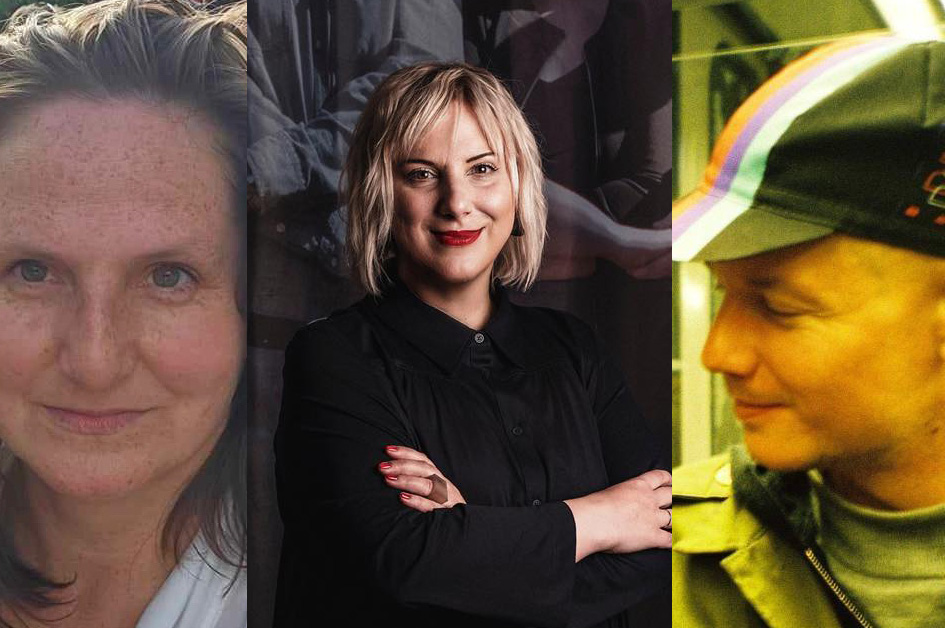
Bringing together perspectives from political analysis, cultural policy and artistic practice, the seminar explores these developments from several vantage points. Adam Hrapko will outline the broader political shift following the 2023 elections and its implications for governance and the public sphere. Mária Beňačková Rišková will reflect on how these changes are unfolding within the cultural policy field, including shifts in priorities, institutional frameworks and support structures. Olja Triaška Stefanović will address how artists and cultural actors are responding to these developments, and what forms of organising and collective strategies are emerging.
Through these perspectives, the seminar aims to open a conversation about the immediate and longer-term implications of political change for cultural institutions and artistic practice, and what can be learned from the Slovak context in a Swedish perspective.
Participants

Adam Hrapko
Adam Hrapko is a project manager of Otvorená Kultúra (Open Culture!) where he also manages the crowd‑sourced Recovery and Resilience Plan for Culture. Writer by education – BA in Creative Writing & Drama from Royal Holloway, University of London; MA in Writing, Editing & Mediating from the University of Groningen. Hrapko has a background in organizing high‑brow DIY subversive events: bicycle races as a social sculpture, pop‑up outdoor pirate cinemas with academic dramaturgy, guerrilla gigs of contemporary composers. He has a career as bike messenger taking a sabbatical to help the cultural civil society in Slovakia.
Mária Beňačková Rišková
Mária Beňačková Rišková is a curator, cultural manager and editor working across design, multimedia and cultural heritage. She co-founded the MULTIPLACE festival for new media culture and served as Director of the Slovak Design Center from 2016 to 2020. From 2021 to 2024, she was one of the ambassadors of the European Commission’s New European Bauhaus initiative. She coordinated the preparation of the Culture and Creative Industries Strategy of the Slovak Republic 2030 for the Ministry of Culture and is part of Otvorená Kultúra, a civic initiative advocating for cultural institutions and people working in culture across Slovakia.

Olja Triaška Stefanović
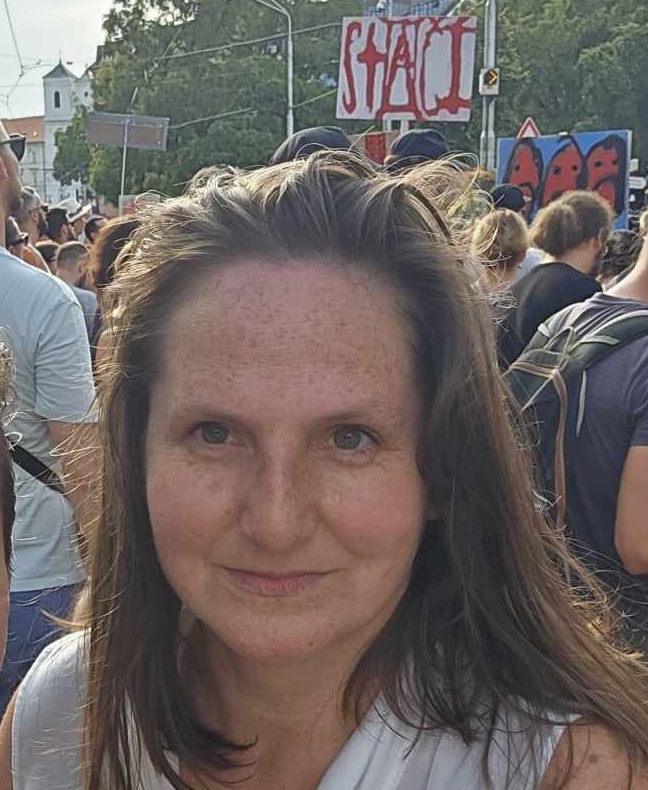
Olja Triaška Stefanović is a visual artist, researcher and Associate Professor at the Academy of Fine Arts and Design in Bratislava, where she leads the Studio of Photography and Critical Practice. Her work focuses on visual culture, political memory, collectivity and the role of photography within socio-political transformation. Working across photography, video and archival research, she examines how images operate within public discourse and the political imaginary. Her projects have been presented internationally, and her work connects artistic research with contemporary political realities in Central and Southeast Europe.
A joint collaboration
The seminar series is produced by Statens konstråd and CAPIm – The Centre for Art and the Political Imaginary (HDK-Valand, University of Gothenburg, and the Royal Institute of Art), and is organised in collaboration with Bildkonst Sverige and Konstnärernas Riksorganisation.
Time, date and location
When: 27 March, 10.00–12.00 am
Place: Zoom
Language: English and Swedish
Price: Free of charge
Registration: Registration required.